01

Near Jasper Icefields Parkway

Maligne Lake Boat Cruise

Maligne Lake Boat Cruise
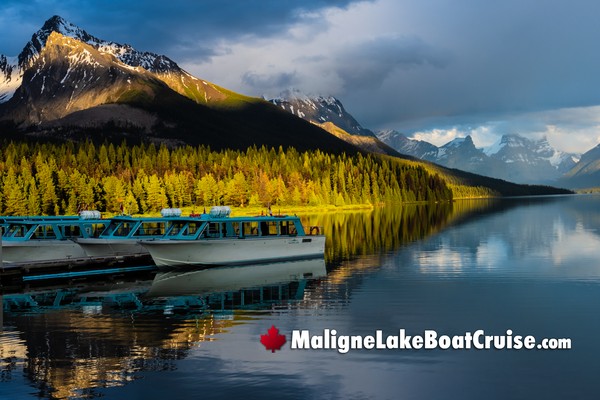
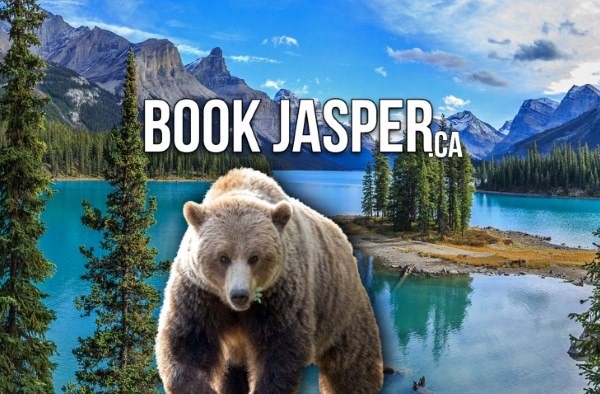
Maligne Lake Boat Cruise to Spirit Island, the largest glacially fed lake in the Canadian Rockies. Accessible only by boat, part of the UNESCO-listed Jasper National Park, admire views of imposing granite peaks, vibrant blue water, and ancient forests. View Maligne Lake's "Hall of the Gods" and keep your camera close as you scan the area for the eagles, bears, and deer that call this area home.
Maligne Lake Boat Cruise
Jasper Wildlife Tour Videos

02

Book Jasper

Book Jasper National Park Adventures and Attractions. Jasper National Park, located in the province of Alberta, Canada, is one of the largest and most northerly of the Rocky Mountain national parks, offering a sublime expanse of untamed wilderness for visitors to explore.

Book Jasper National Park Book Jasper
Jasper Wildlife Tour Videos

03

On the Jasper Icefields Parkway

Columbia Icefield Tour & Glacier Skywalk

Canadian Rockies Columbia Icefield Tour & Glacier Skywalk
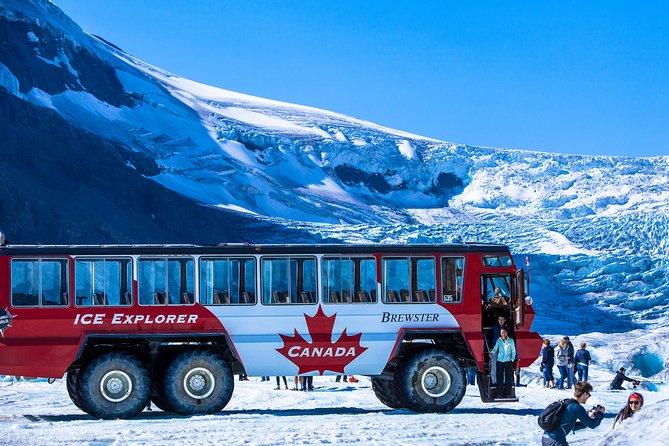
Walk on the Glass-Bottom Glacier Skywalk and tour the Athabasca Glacier in the Rugged Ice Explorer Vehicle from the Icefield Glacier Discovery Centre.
Book the Columbia Icefield & Glacier Skywalk Tour
Jasper Wildlife Tour Videos

Jasper Icefields Parkway

Driving From Jasper to Banff on the Icefields Parkway.

Jasper Icefields Parkway
Driving From Jasper to Banff on the Icefields Parkway

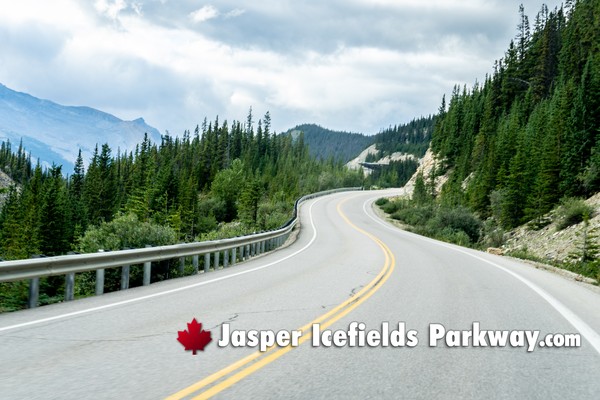
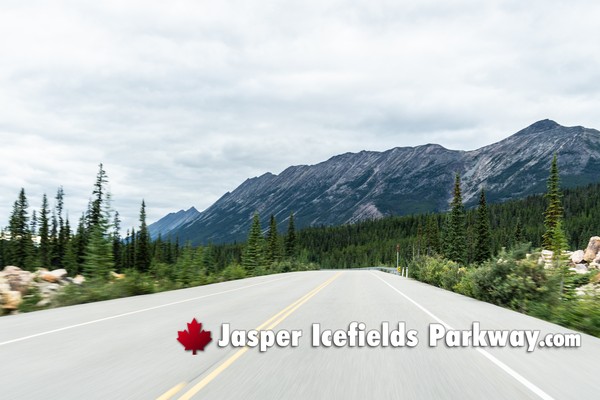
Driving from Jasper to Banff along the Icefields Parkway offers a subtly different experience than traveling south to north, even though the landscapes are the same. Leaving Jasper National Park, the journey begins in broad river valleys where mountains appear layered and expansive rather than tightly framed. The sense of openness sets the tone, with long sightlines and a slower visual build as the road gradually climbs toward higher elevations.

As you move south, the scenery intensifies. Valleys narrow, peaks press closer to the highway, and the terrain becomes increasingly alpine. Glacial rivers tighten into powerful channels, waterfalls plunge through steep rock walls, and the road feels more immersed within the mountain environment. The transition toward the Columbia Icefield is particularly striking in this direction, as the landscape steadily grows more dramatic rather than revealing itself all at once.

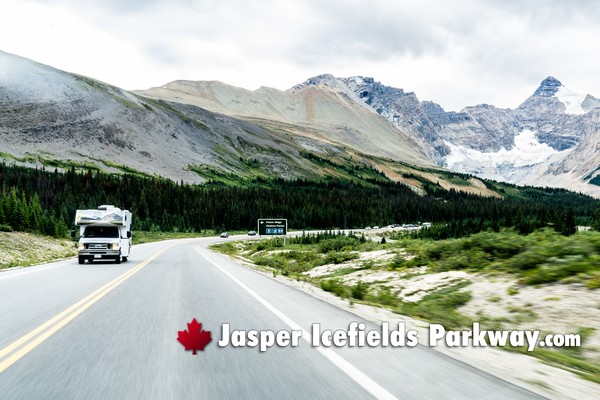
The midpoint of the drive is defined by ice and elevation. Massive glaciers dominate the skyline, descending visibly from the high icefields and reinforcing the raw geological forces that shaped the Parkway. In this direction, the approach to the icefield zone feels like a crescendo, with each bend in the road revealing larger and more imposing formations.

Continuing south, the highway gradually descends into the heart of Banff National Park. Forests thicken, glacial lakes appear more frequently beside the road, and the colour palette shifts toward vivid blues and greens. The drive feels increasingly intimate, with scenery unfolding closer to the roadside and frequent opportunities to stop and take in details.

Jasper to Banff is a journey defined by escalation-starting wide and tranquil, then building steadily toward high alpine drama. Taken at an unhurried pace, it highlights the Parkway's natural progression from open wilderness to concentrated mountain grandeur, making the drive feel purposeful, immersive, and deeply rewarding from start to finish. Book the Canadian Rockies
Booking Canadian Rockies Experiences includes All taxes, fees and handling charges.


The Jasper Icefields Parkway Drive

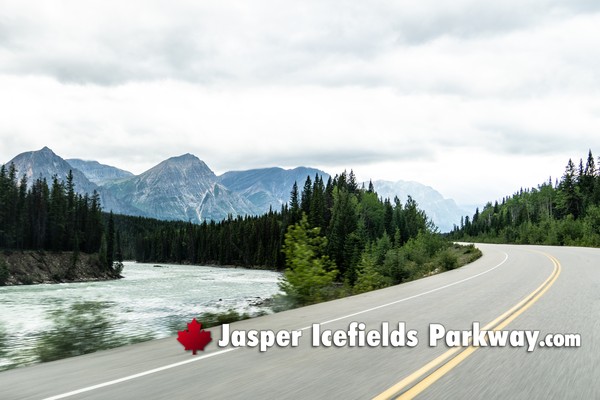
Powerful glacial rivers parallel the highway, carving wide floodplains and feeding waterfalls that crash through narrow rock channels.

Jasper Icefields Parkway
The Jasper Icefields Parkway Drive

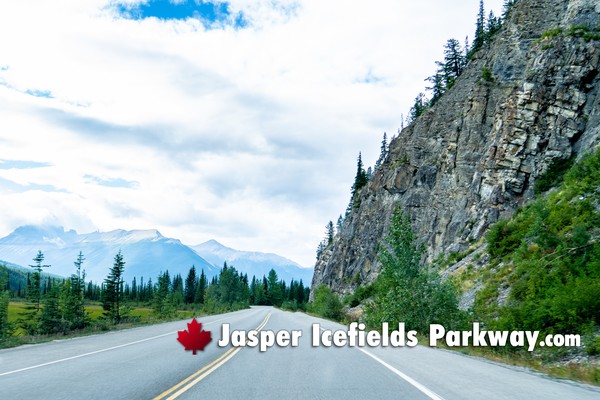
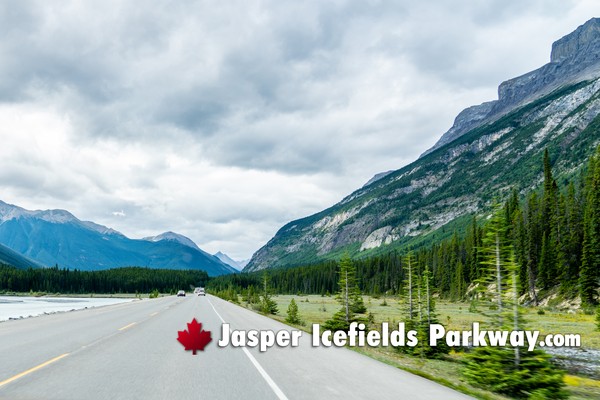
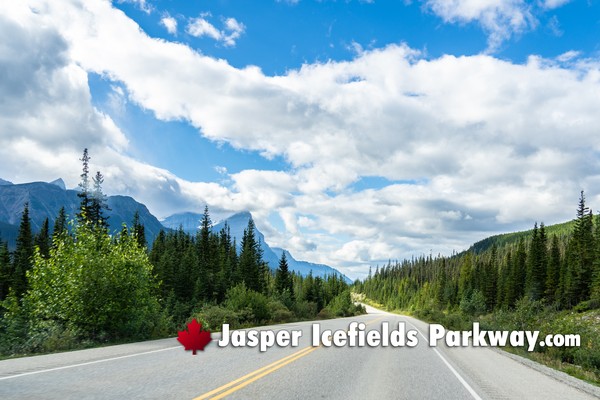
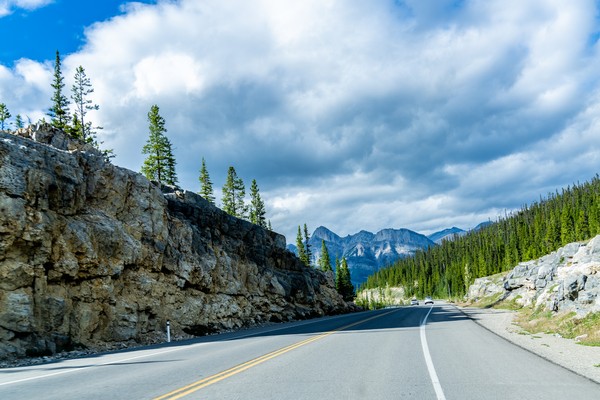
The Jasper section of the Icefields Parkway feels broader, wilder, and more open than the southern half of the route. As the road leaves the high alpine icefield zone and moves deeper into Jasper National Park, mountain valleys widen, rivers grow stronger, and forests stretch farther toward the horizon. The sense of remoteness increases, with long, uninterrupted views that emphasize scale rather than steep confinement.

This portion of the drive is shaped by water and ice in motion. Powerful glacial rivers parallel the highway, carving wide floodplains and feeding waterfalls that crash through narrow rock channels. The terrain feels less vertical than near Lake Louise, but no less dramatic-massive peaks still dominate the skyline, softened slightly by distance and layered ridgelines. The visual rhythm alternates between dense forest corridors and sudden open valleys that reveal sweeping mountain panoramas.

Wildlife encounters are especially common along the Jasper stretch of the Parkway. Elk, deer, mountain goats, and bighorn sheep are frequently seen near the roadside, and the quieter atmosphere compared to the southern section enhances the feeling of traveling through a living landscape rather than a purely scenic one. Early mornings and evenings often feel particularly immersive, with mist rising from rivers and long shadows stretching across the road.

As the drive approaches Jasper townsite, the landscape gradually transitions again. River systems broaden, slopes become more forested, and the overall mood shifts from stark alpine drama to a calmer, expansive mountain environment. Rather than a sudden arrival, the Parkway eases travelers into Jasper, reinforcing the idea that the journey itself is an essential part of the experience.

The Jasper Icefields Parkway drive stands out for its balance less crowded, more spacious, and deeply atmospheric. It complements the high-alpine intensity of the southern route with a sense of flow, wilderness, and continuity, making it an equally powerful and memorable segment of one of the world's great mountain highways. Book the Canadian Rockies
Booking Canadian Rockies Experiences includes All taxes, fees and handling charges.


Best Sights along the Jasper Icefields Parkway

The Icefields Parkway Drive's sights define the Jasper-to-Banff journey; a progression from powerful rivers and waterfalls to immense icefields and luminous alpine lakes.

Jasper Icefields Parkway
Best Sights along the Jasper Icefields Parkway

Athabasca Falls

One of the most powerful waterfalls in the Rockies, Athabasca Falls is defined by force rather than height. Massive volumes of glacial water surge through a narrow limestone channel, creating thunderous sound, mist, and sculpted rock formations right beside the Parkway.

Sunwapta Falls

Set within a rugged gorge, Sunwapta Falls showcases the raw energy of glacial runoff. The upper falls are easily accessible and dramatic year-round, while the surrounding valley offers classic Parkway mountain backdrops.

Columbia Icefield

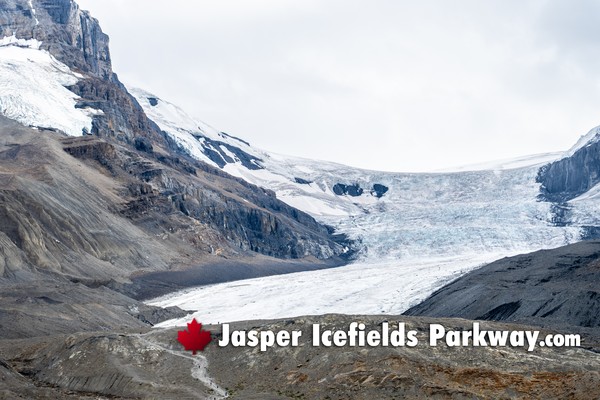
The visual centrepiece of the drive, the Columbia Icefield dominates the skyline with vast sheets of ancient ice. The nearby Athabasca Glacier descends close to the highway, offering one of the rare chances to see an active glacier at roadside scale.

Saskatchewan River Crossing

A wide, open valley where major river systems converge, this stop emphasizes the Parkway's sense of space and remoteness. Views stretch in multiple directions, highlighting layered mountain ranges and braided rivers.

Mistaya Canyon

A short walk leads to a narrow limestone gorge carved by swirling glacial water. The depth and motion of the canyon provide a striking contrast to the broader valleys elsewhere along the route.

Peyto Lake

Seen from above, Peyto Lake's vivid turquoise colour and distinctive shape make it one of the most iconic viewpoints on the Parkway. The elevated perspective offers a sweeping look over glacial-fed waters and surrounding peaks.

Bow Lake

Nestled directly beside the road, Bow Lake feels calm and expansive, reflecting glaciers and mountain walls above. It's a quieter, more contemplative stop that contrasts beautifully with the Parkway's more dramatic features.

The Icefields Parkway Drive's sights define the Jasper-to-Banff journey; a progression from powerful rivers and waterfalls to immense icefields and luminous alpine lakes, each revealing a different facet of the Parkway's mountain character. Book the Canadian Rockies
Booking Canadian Rockies Experiences includes All taxes, fees and handling charges.


Jasper Icefields Parkway Drive Tips

Tips to help ensure the Jasper to Banff Icefields Parkway drive feels immersive, calm, and deeply memorable.

Jasper Icefields Parkway
Jasper Icefields Parkway Drive Tips
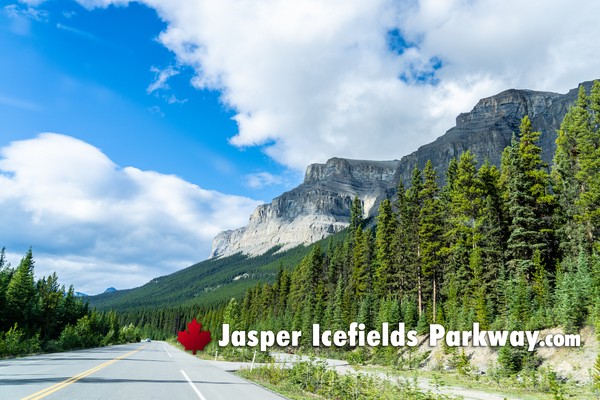
Practical tips for driving from Jasper to Banff on the Icefields Parkway:

Allow a full day if possible. While the distance is manageable, the Parkway is defined by stops rather than speed. Frequent pullouts, short walks, and changing light conditions all reward a slower pace. Planning extra time prevents the drive from feeling rushed and lets you respond to weather or visibility as it changes.

Start early in the morning. Morning light enhances mountain texture, traffic is lighter, and wildlife activity is higher near the road. Early starts also give flexibility later in the day if weather shifts or a viewpoint holds your attention longer than expected.

Fuel up and prepare in Jasper. Services are extremely limited along the route, especially outside peak summer. Begin with a full tank, food, water, and downloaded maps. This removes pressure and allows you to focus fully on the scenery rather than logistics.

Watch weather and road conditions closely. Elevation changes mean conditions can differ dramatically along the Parkway. Even in summer, temperatures can drop quickly near the icefields. In winter and shoulder seasons, winter-rated tires, conservative driving, and awareness of temporary closures are essential.

Use designated pullouts and stay aware. Wildlife sightings are common, but stopping safely is critical. Never block the road, and keep generous distances from animals. Binoculars or a zoom lens allow close viewing without approaching wildlife or leaving safe areas.

Plan key stops but stay flexible. Having a short list of must-see locations helps structure the day, but some of the most memorable moments happen at unplanned viewpoints or quiet stretches of road. Flexibility is part of what makes the Parkway special.

Treat the drive as the destination. Rather than thinking in terms of reaching Banff, approach the journey as a continuous experience. The Jasper-to-Banff direction builds steadily toward tighter valleys, brighter lakes, and denser scenery, making patience and attentiveness part of the reward.

These tips should help ensure the Jasper to Banff Icefields Parkway drive feels immersive, calm, and deeply memorable-less a transfer between towns and more a deliberate journey through the heart of the Rockies. Book the Canadian Rockies
Booking Canadian Rockies Experiences includes All taxes, fees and handling charges.


Seasonal Jasper Icefields Parkway Considerations

Seasonal conditions strongly influence the experience of driving from Jasper to Banff on the Icefields Parkway.

Jasper Icefields Parkway
Seasonal Jasper Icefields Parkway Considerations

Seasonal conditions strongly influence the experience of driving from Jasper to Banff on the Icefields Parkway, affecting scenery, road conditions, services, and overall pace.

Summer (June to early September) is the most straightforward and popular season. The highway is fully open and well maintained, viewpoints and short trails are accessible, and glacial lakes display their most vivid colours. Long daylight hours make it easy to spread the drive across the day. The trade-off is higher traffic volumes, especially near waterfalls, icefield viewpoints, and midday pullouts.

Autumn (mid-September to October) brings quieter roads and a more atmospheric feel. Cooler temperatures sharpen visibility, wildlife activity increases, and larch trees turn golden at higher elevations. However, services begin to close, daylight shortens quickly, and early snowfalls are possible. Flexibility is important, as conditions can change rapidly.

Winter (November to March) transforms the Parkway into a dramatic, snow-covered alpine corridor. Frozen waterfalls, heavily snow-laden peaks, and minimal traffic create a powerful sense of isolation. The road is maintained but winter driving skills, proper tires, and attention to avalanche control closures are essential. Services are extremely limited, and travel times can increase significantly.

Spring (April to early June) is the most variable season. Lower elevations begin to thaw while higher passes remain firmly wintry. Snowbanks linger, waterfalls are forceful with meltwater, and wildlife is often visible near the road. At the same time, trails and viewpoints may still be snowbound, and weather can shift between sun, rain, and snow in a single day.

Each season along the Icefields Parkway offers a distinct character. Summer emphasizes accessibility and colour, autumn rewards patience with quiet beauty, winter highlights stark alpine drama, and spring showcases transition and movement. Choosing the right season depends on whether ease of travel, solitude, or dramatic contrast is the priority for your Jasper-to-Banff journey. Book the Canadian Rockies
Booking Canadian Rockies Experiences includes All taxes, fees and handling charges.


Jasper Icefields Parkway Reviews

Jasper Icefields Parkway Map

Jasper Icefields Parkway (Highway 93 North) joins Lake Louise in Banff National Park with the Town of Jasper in Jasper National Park.

Contact Jasper Icefields Parkway

Click to Contact Us